
Latest Articles
Featured Posts
 Oct 2, 2026
by Alexandra Kaplan
Oct 2, 2026
by Alexandra Kaplan Certified Deaf Interpreter: How to Know Your Case Needs One Before the Deposition
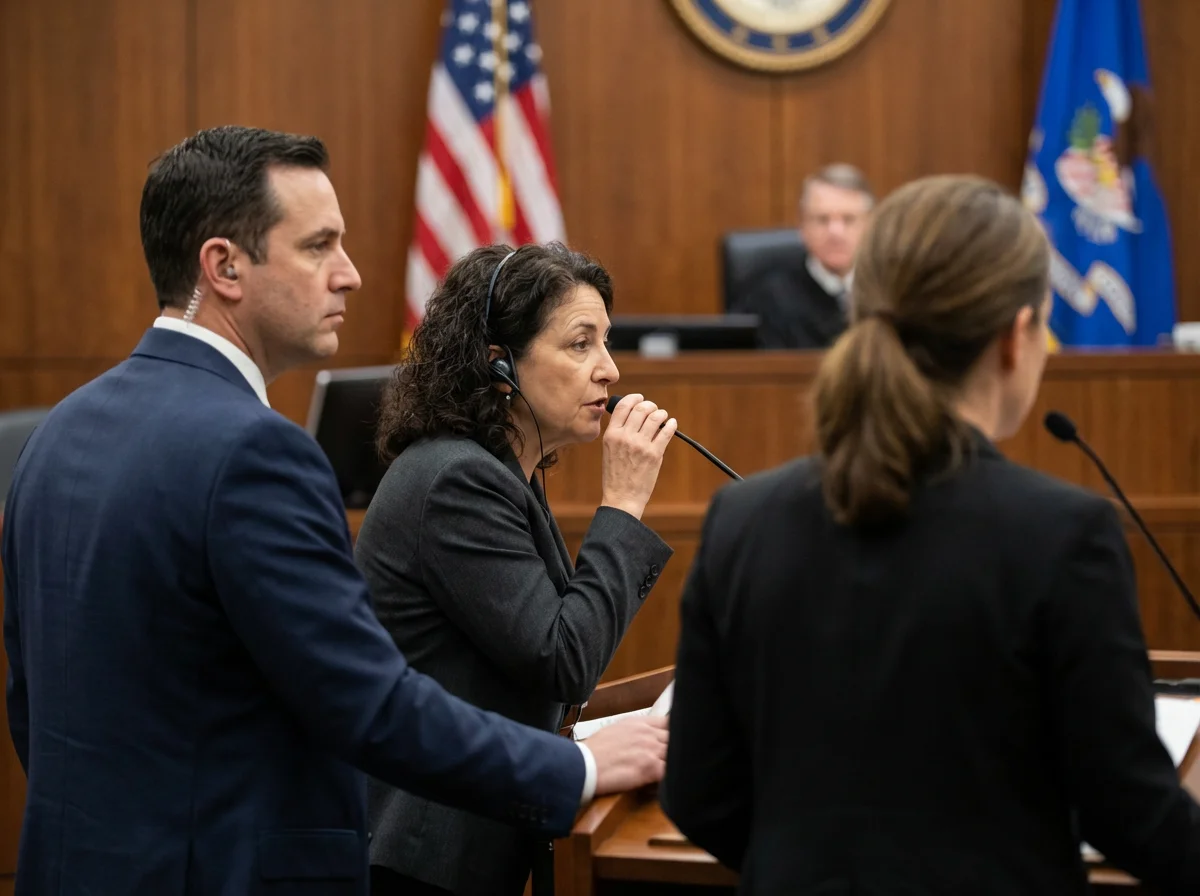
Some deaf witnesses sign in a way one hearing ASL interpreter cannot fully follow. That is when a case needs a Certified Deaf Interpreter working as a team, and the time to find out is at intake, not mid-deposition.
Read More Sep 28, 2026
by Alexandra Kaplan
Sep 28, 2026
by Alexandra Kaplan The Interpreter Who Explains the Culture Is a Liability
An interpreter who explains a witness's culture to the judge has traded a fact for a guess and put it on the record as expertise. Neutrality means rendering behavior, not diagnosing it.
Read More Sep 24, 2026
by Alexandra Kaplan
Sep 24, 2026
by Alexandra Kaplan Two Interpreters, One Record: The New NAJIT Guideline on Team Interpreting
NAJIT's May 2026 guideline calls for two interpreters once a legal proceeding may run past 30 minutes of continuous simultaneous or 60 minutes of continuous consecutive interpreting, and it names depositions, arbitrations, and mediations.
Read More Sep 23, 2026
by Alexandra Kaplan
Sep 23, 2026
by Alexandra Kaplan Non-Negotiable: California Moves to Cap What Courts Pay Contract Interpreters
The Judicial Council has proposed making contract court interpreter rates non-negotiable and capped at the federal level, with an interpreter who declines the rate treated as unavailable. What that changes for hearings, trials, and the private side.
Read More Sep 10, 2026
by Alexandra Kaplan
Sep 10, 2026
by Alexandra Kaplan Taking a Deposition in Texas: The Interpreter Credential Does Not Travel
A California certified court interpreter holds no Texas license. And a Texas licensed court interpreter may hold a basic license that does not cover the court your case is in.
Read More Sep 7, 2026
by Alexandra Kaplan
Sep 7, 2026
by Alexandra Kaplan The Interpreter Interrupted the Deposition. That Is a Good Sign.
When an interpreter asks a witness to slow down or repeat, they are protecting your record, not slowing your case. A good interpreter is unobtrusive. Unobtrusive is not the same as silent.
Read MoreMore Articles
Recent Posts
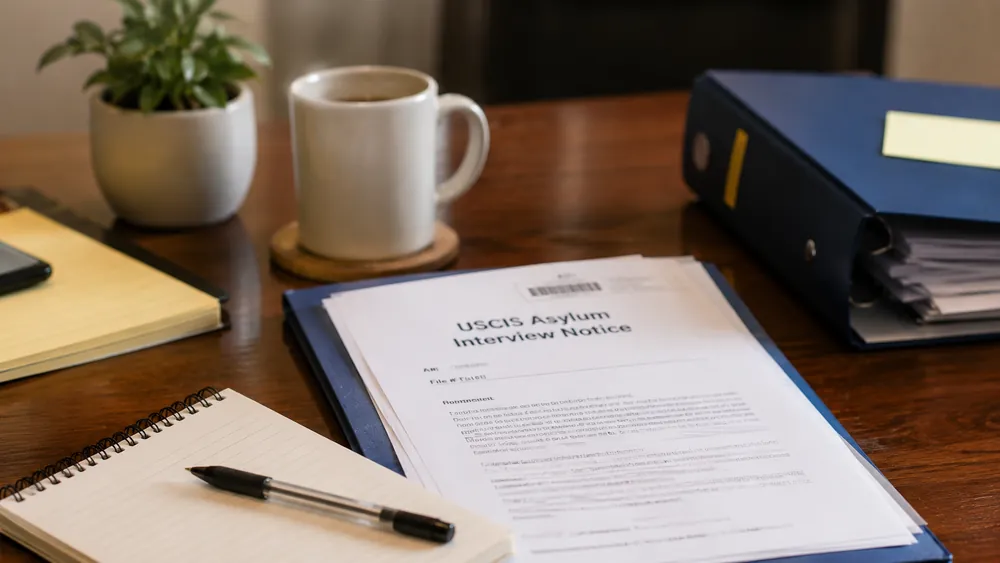
Asylum Interview Interpreters: What Counsel Must Confirm Before the Date
USCIS does not provide an interpreter at an affirmative asylum interview. A friend or family member can serve, if they are not disqualified and are genuinely fluent. Allowed is not the same as adequate.

A Murder Conviction Overturned Because the Interpreter Spoke the Wrong Chinese
In March 2025 the Ontario Court of Appeal set aside a second-degree murder conviction and ordered a new trial. The interpreter for the first half of the trial spoke Cantonese. The defendant spoke Taishanese.
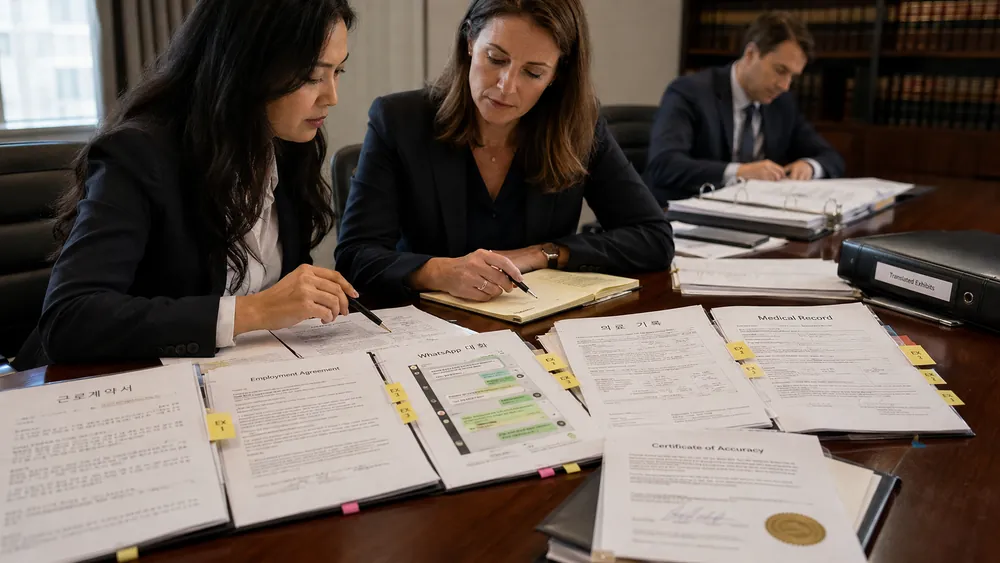
Court Exhibits in Another Language: What Actually Gets the Translation Admitted
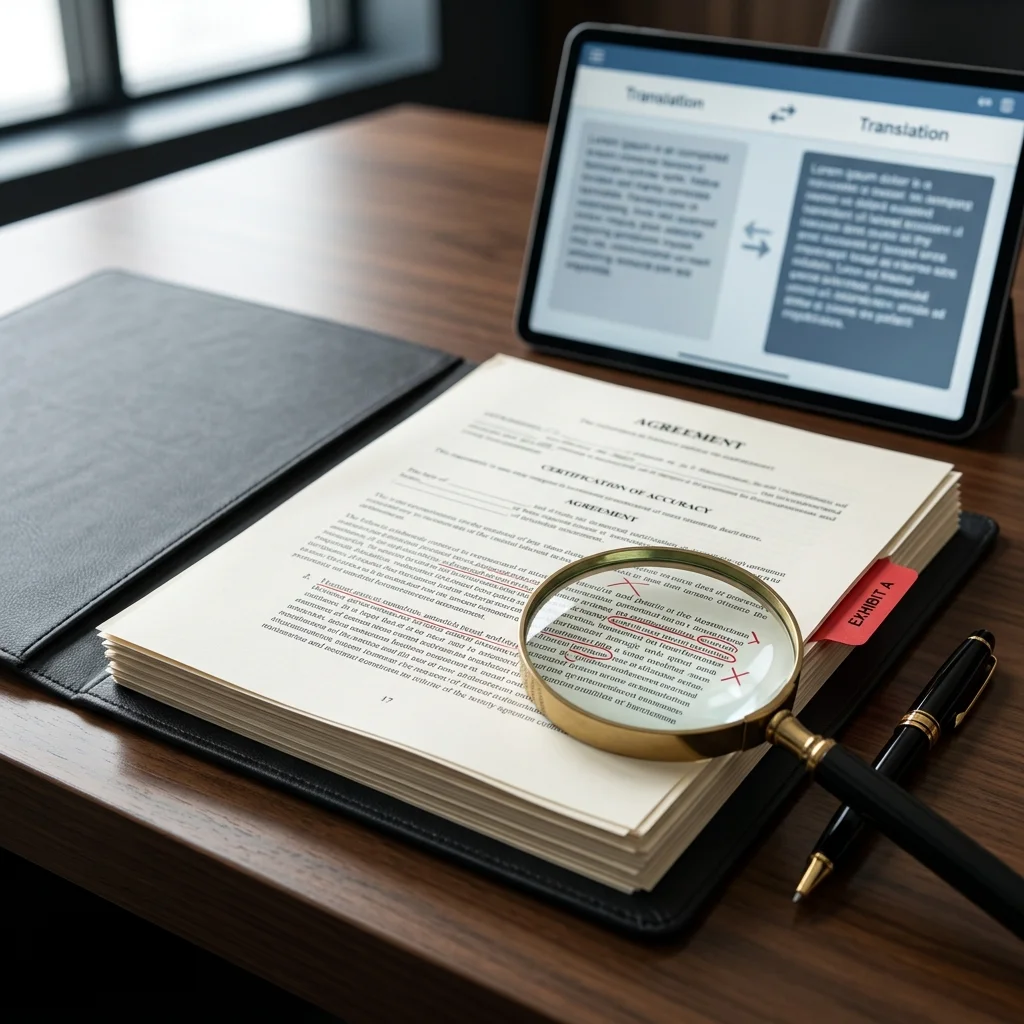
A foreign-language document does not become an exhibit because someone translated it. The translation carries its own foundation requirement, and opposing counsel gets to test it.
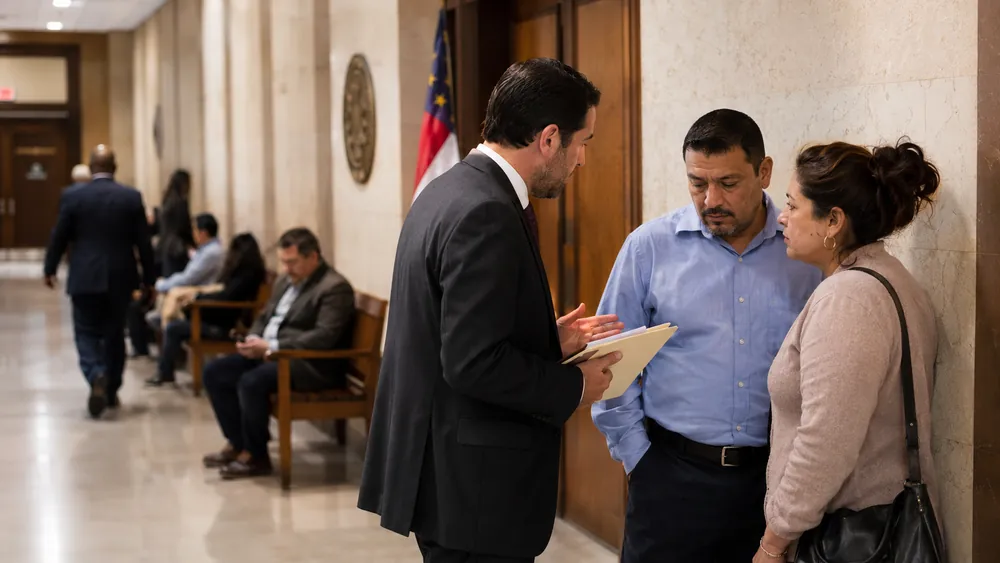
North Carolina's Court Interpreter Walkout: What It Means for Hearings, Calendars, and Clients
North Carolina's certified court interpreters began refusing assignments at the end of July over contract rates frozen since 2022. A statewide work stoppage is set for August 31 and a Superior Court trial boycott for September 1.
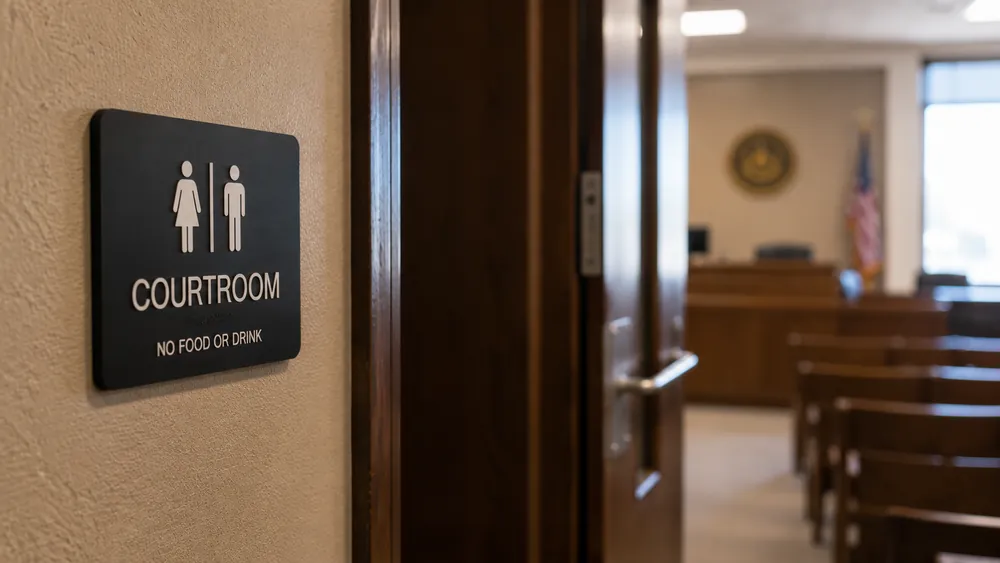
The Interpreter Rule You Are Responsible For: A Bar Ethics Opinion Puts the Duty on the Lawyer
A 2026 state bar ethics opinion says the duty to bridge a language gap belongs to the lawyer, not the client. It also sets conditions on using family members and on machine translation.

When Spanish Is the Wrong Interpreter: Indigenous Language Rights and Best Practice in U.S. Courts
A client from Guatemala or southern Mexico may speak working Spanish and still not be a Spanish speaker. Courts have been booking the wrong interpreter for decades, and the convictions that followed show what it costs.
Archive
View All Posts
131 more articles on interpreting, language access, and compliance.
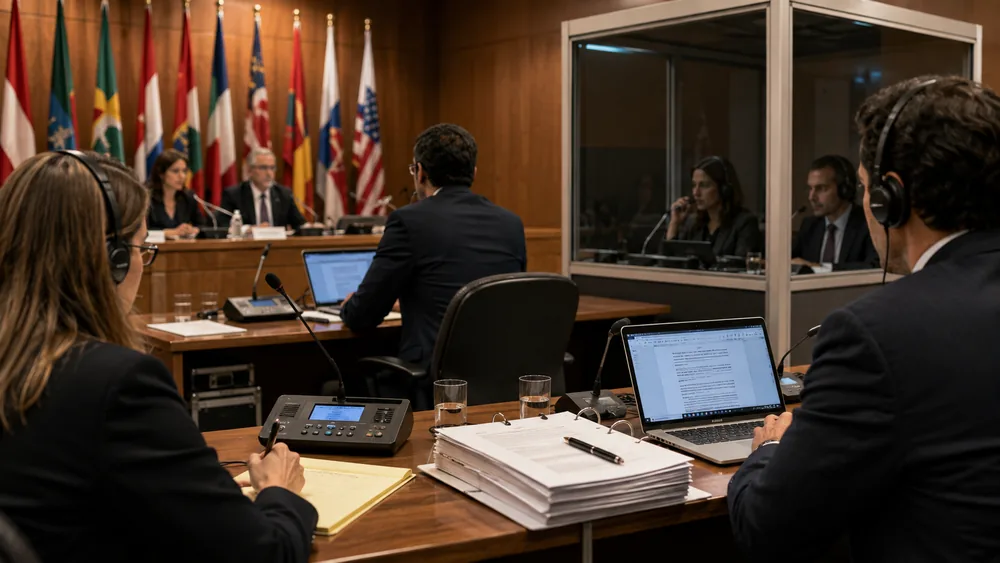
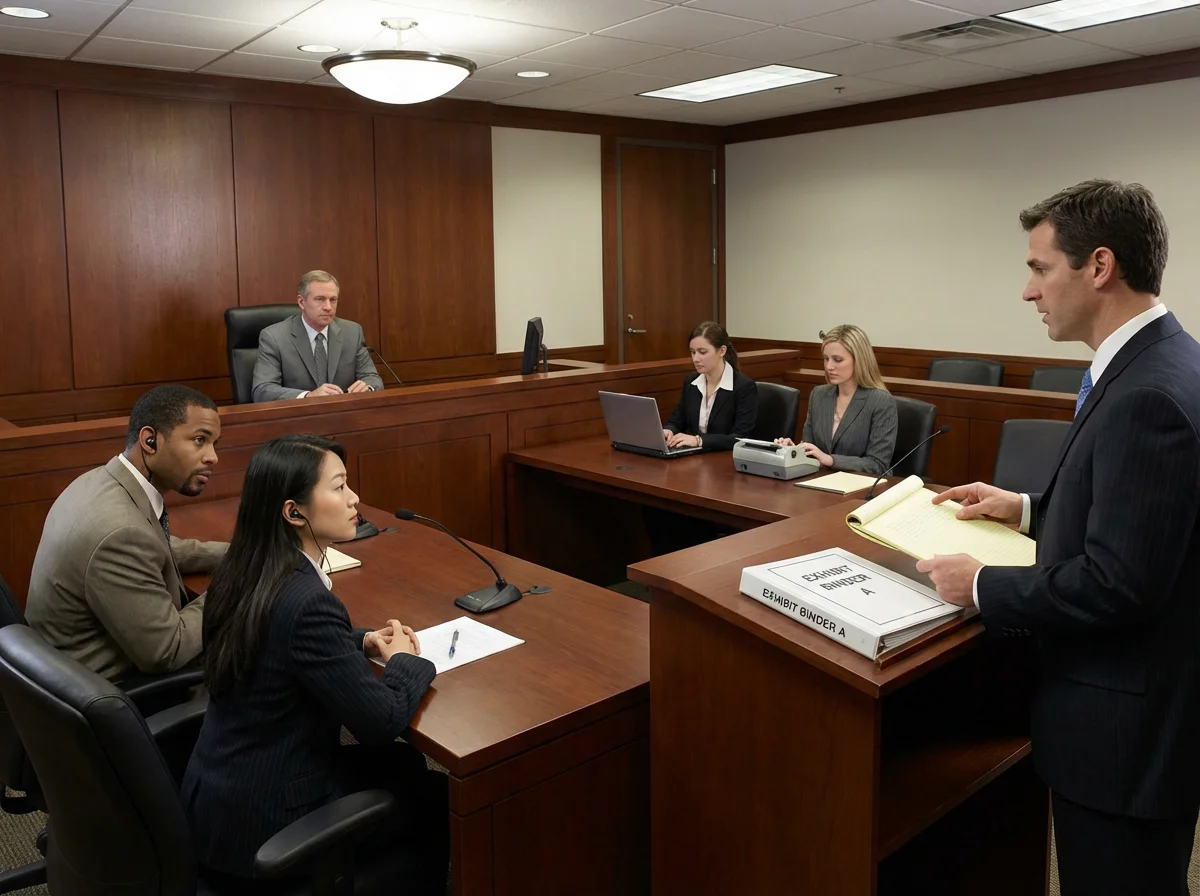
Arbitration Interpreters: What Counsel Should Settle Before the First Hearing Day
Arbitration has no court-supplied interpreter and a far narrower path to challenge the award. That combination puts the interpreter decision on counsel. Here's what to settle, in Q&A form, before day one.

Academic Document Translation: What You Need, In What Order
Certified translation and credential evaluation are two separate services. Submitting one in place of the other is the most common reason an academic file gets rejected.

Translated Medical Records in Litigation: What Personal Injury and Med-Mal Counsel Should Verify
A translated medical record carries a diagnosis, a dosage, and a timeline into evidence. If the translation drifts, the expert is defending testimony the chart never said. Here is what to verify, in Q&A form.
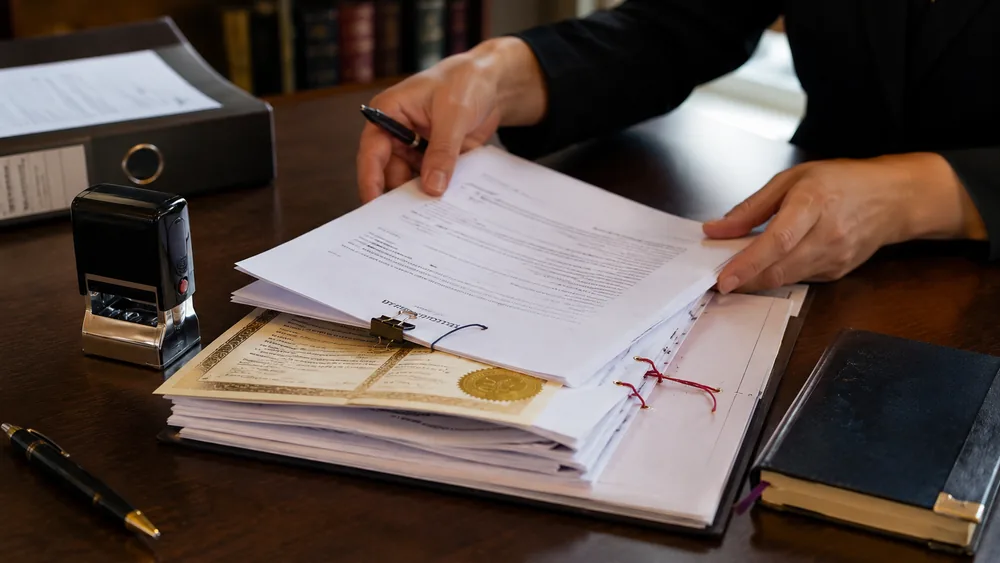
Apostille or Notarization? What Attorneys Should Know Before a Translated Document Crosses a Border
Notarization and an apostille are not the same step, and neither one certifies that a translation is accurate. Here is what each does, in Q&A form, before the document leaves the country.
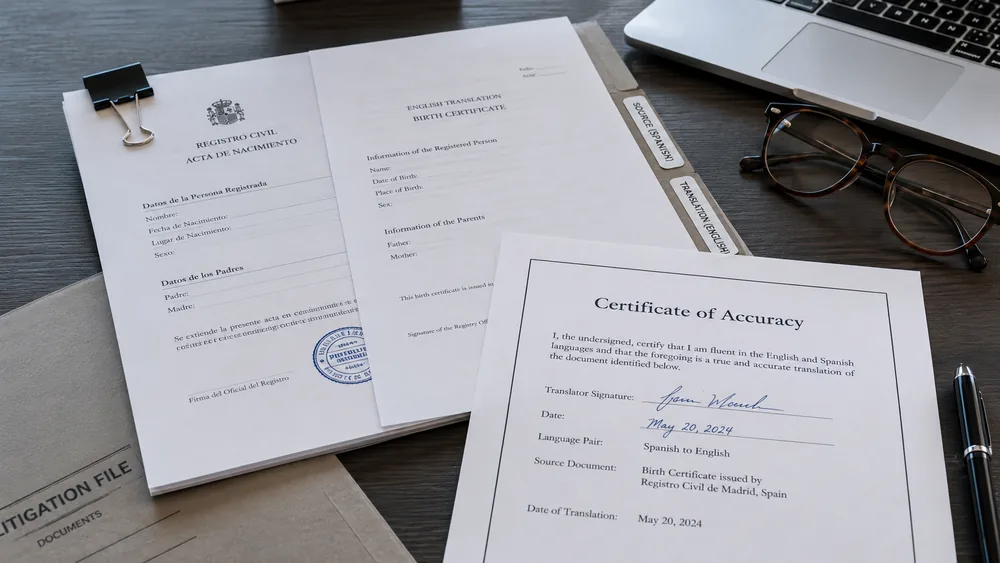
The Certificate of Accuracy: What Attorneys Should Check Before a Translated Document Reaches Discovery
A certificate of accuracy is a signed statement the translator will defend under oath, not a stamp. Here is what should be on it, in Q&A form, before the packet ships.
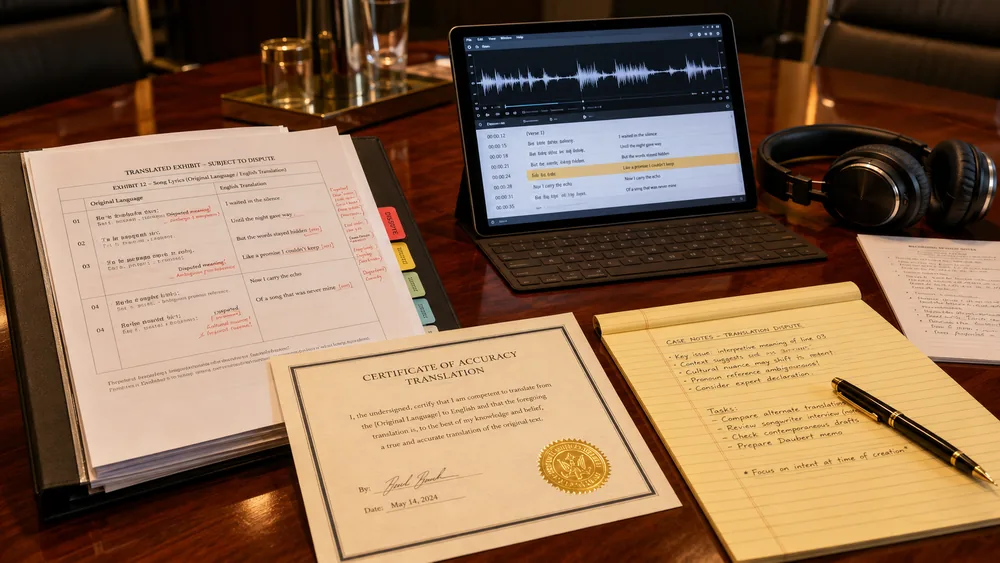
A $27 Million Lawsuit Over One Mistranslated Lyric: What The Lion King Case Should Teach Attorneys About Translation on the Record
A federal complaint filed in California over a mistranslated Lion King chant seeks $27 million in damages. The case is entertainment news. The lesson is about who is trusted to speak for your client.
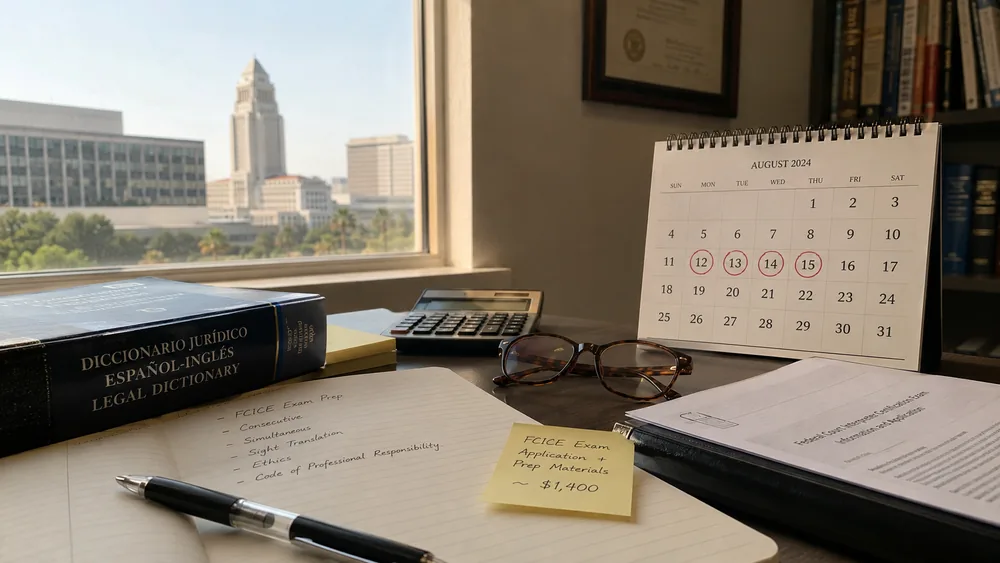
Only 1,400 Federally Certified Court Interpreters Nationwide: What August's Exam Means for Your Federal Case
Fewer than 1,400 federally certified court interpreters are active nationwide. The August 2026 FCICE oral exam caps registration at 400, and the historical pass rate is 7 to 10 percent.
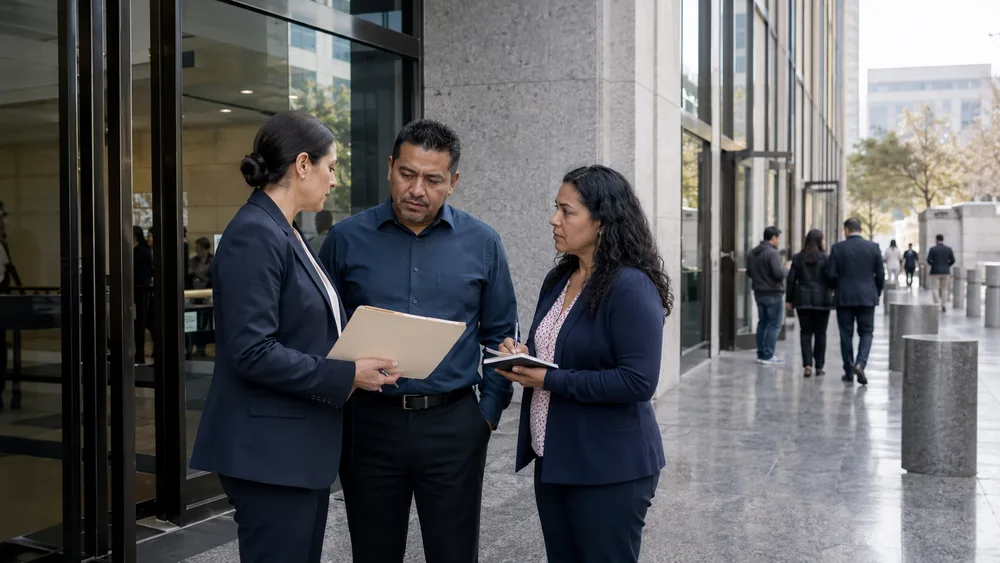
Immigration Court Interpreters: What Law Firms Should Verify Before the Hearing
Immigration courts are moving faster with more cases per judge. What firms representing non-English-speaking clients should verify before booking an interpreter, before the hearing, and before the record.

The Most Trustworthy Thing an Interpreter Can Say Is: I Am Not the Right Interpreter for This
A qualified court interpreter will withdraw from an assignment they cannot render accurately. That willingness is the sign of a professional, and it protects your case.
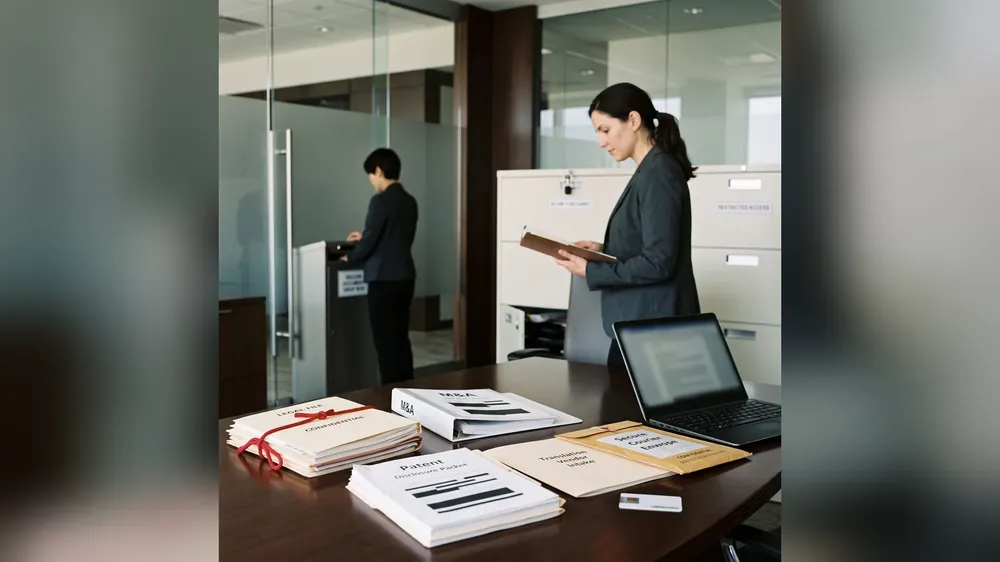
Confidential Translation: What In-House Counsel Should Verify Before Sending the Documents
In-house counsel choose translation vendors on speed. The real constraint is chain of custody. What to verify before sending M&A, IP, or sealed documents.
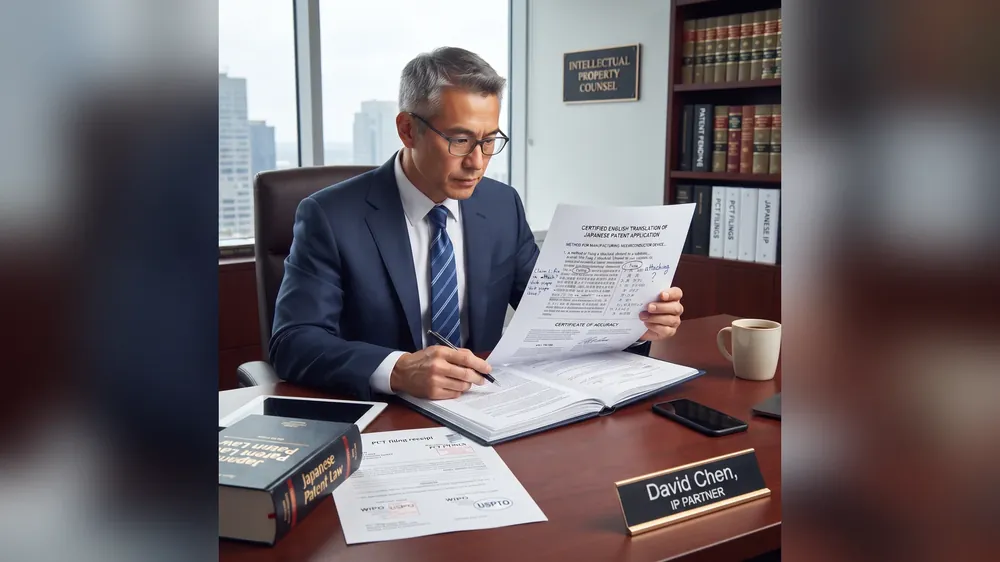
Certified Patent Translation: What IP Counsel Should Verify Before Sending a Foreign Filing
Mistranslated patent claims can sink a filing. What IP counsel should verify before sending Japanese, Chinese, German, or Korean PCT filings for translation.
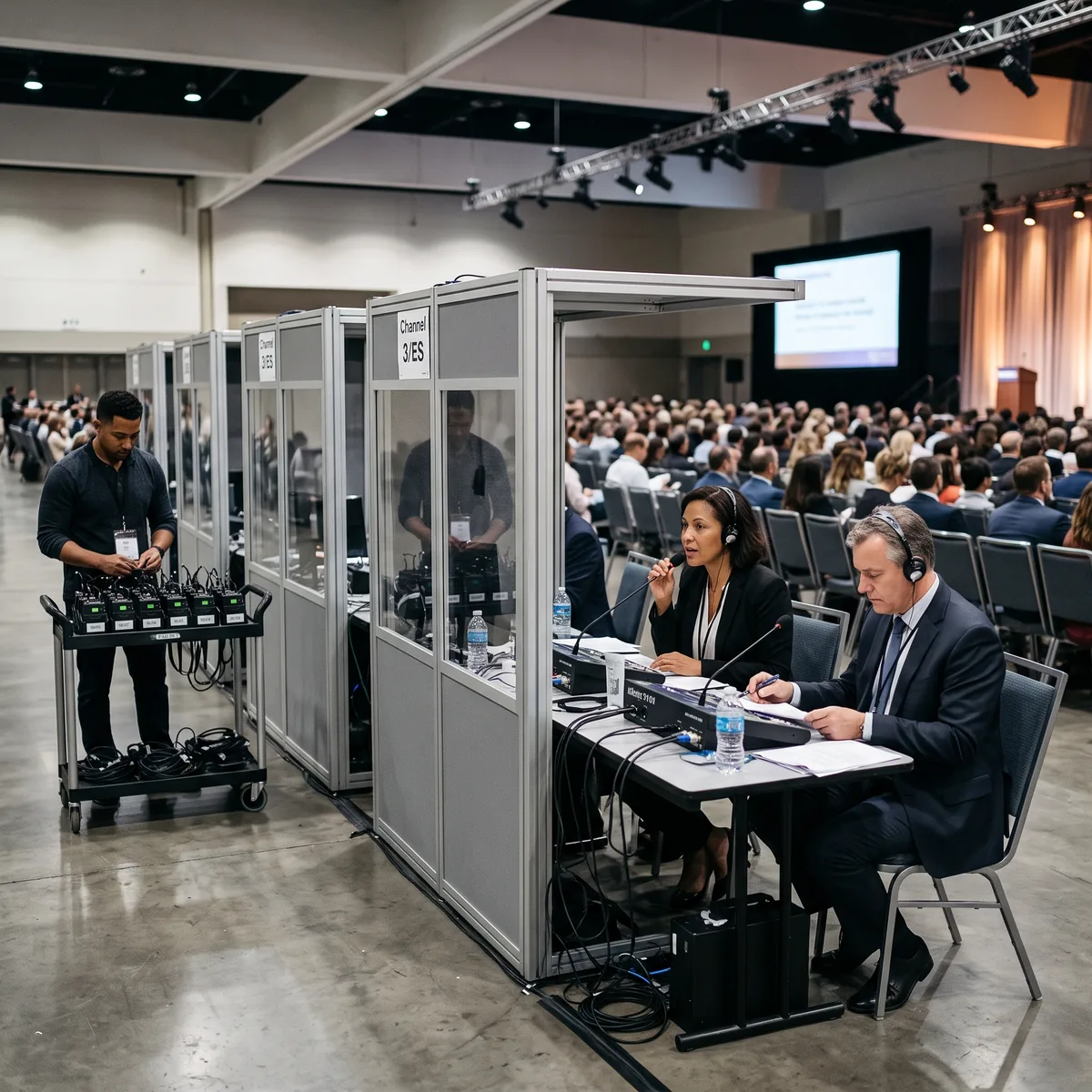
Multilingual Conferences Don't Fail on Stage. They Fail in the Booth.
A multilingual conference is a procurement decision before it is a stage decision. The booth team, the language count, the equipment, and the lead time determine whether the audience hears a polished program or notices something is off.
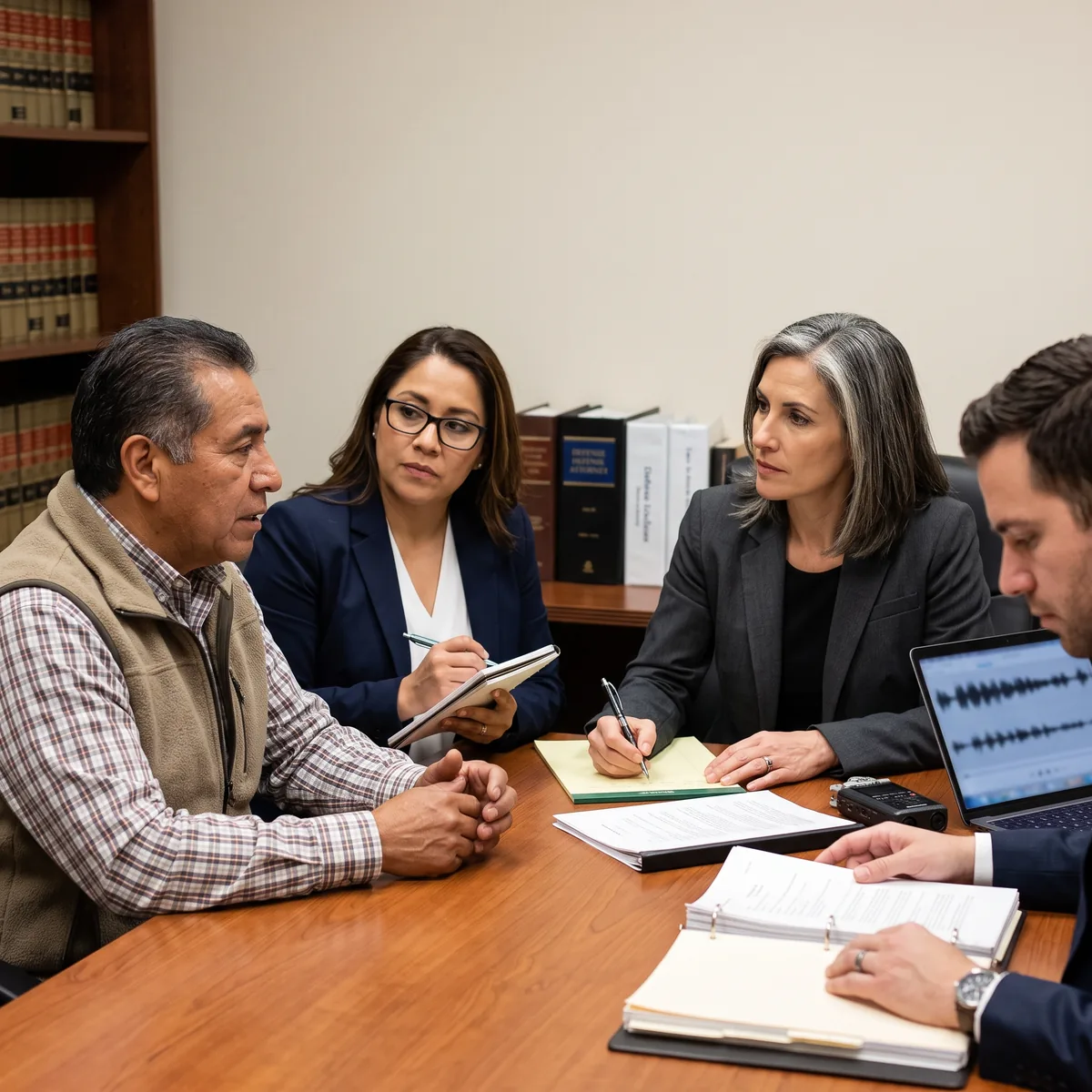
Every Word Matters: Two Cases That Changed How I Think About Interpreters
Two cases from a Los Angeles public defender's practice, a Watson murder turning on a Spanish word for a beer brand and a DUI turning on wobbling versus weaving, that show why credentialed interpretation alone is not enough in criminal proceedings.

Court-Certified Isn't Generic: How Language and Venue Decide Who Can Take the Record
California has built the most rigorous court interpreter certification system in the country, and the credential genuinely means something. What it does not mean is that certified interpreters are interchangeable. One credential does not fit every proceeding, every courthouse, or every witness.
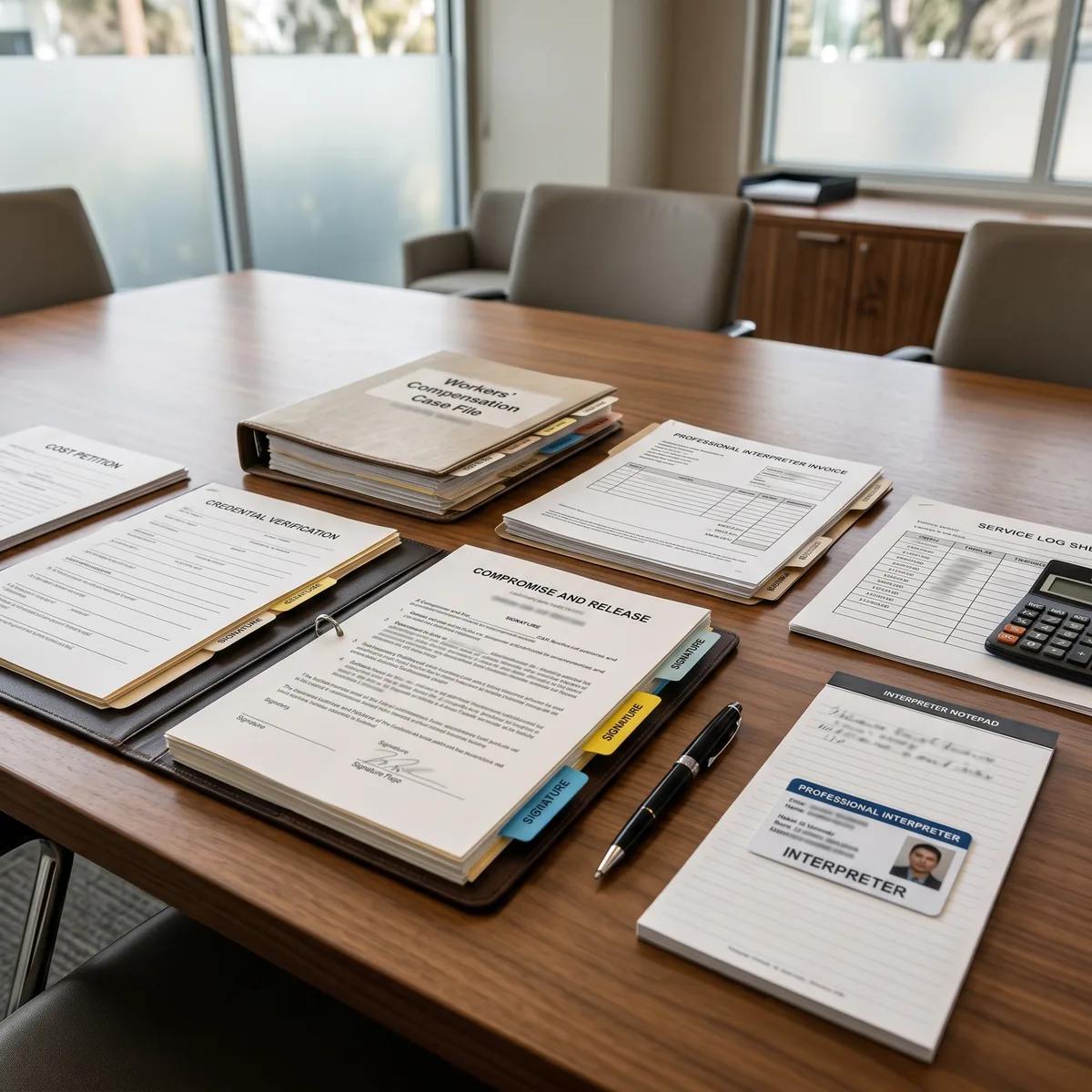
California WCAB Rulings Confirm: Interpreters at C&R Signings Can Recover Market Rate
Two 2026 WCAB panel decisions have quietly settled a question that has frustrated interpreting agencies, defense counsel, and carriers for years. When a qualified interpreter renders a Compromise and Release agreement to a non-English-speaking injured worker, the agency is not limited to the statutory fee schedule.
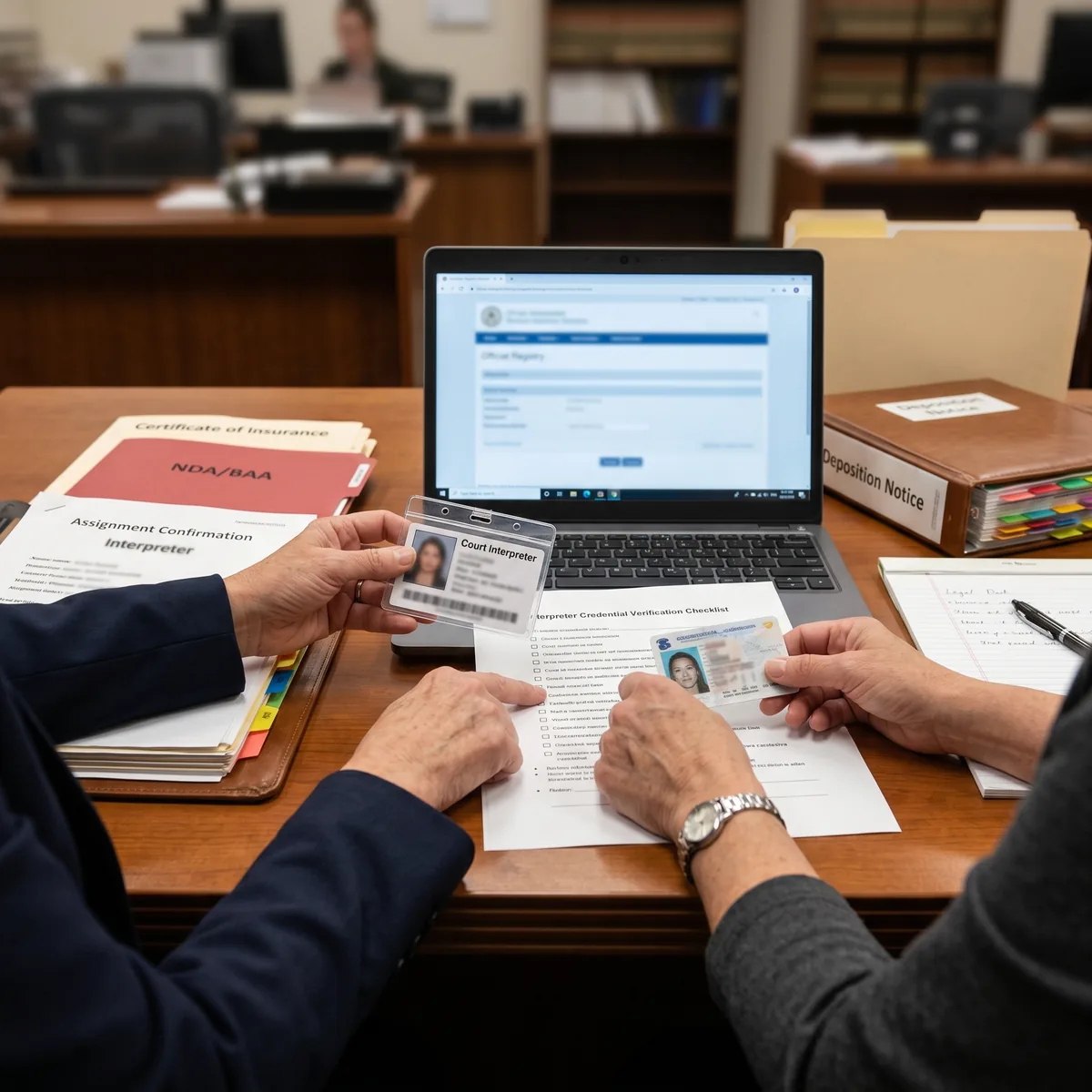
What Law Firms Are Changing in Interpreter Vetting Since the One Call Litigation
Since the One Call lawsuit, law firms have changed how they verify interpreter credentials. Six concrete procurement shifts elite firms now run before any work begins.
Mid-2026 Legal Interpreting News: What Attorneys Should Know
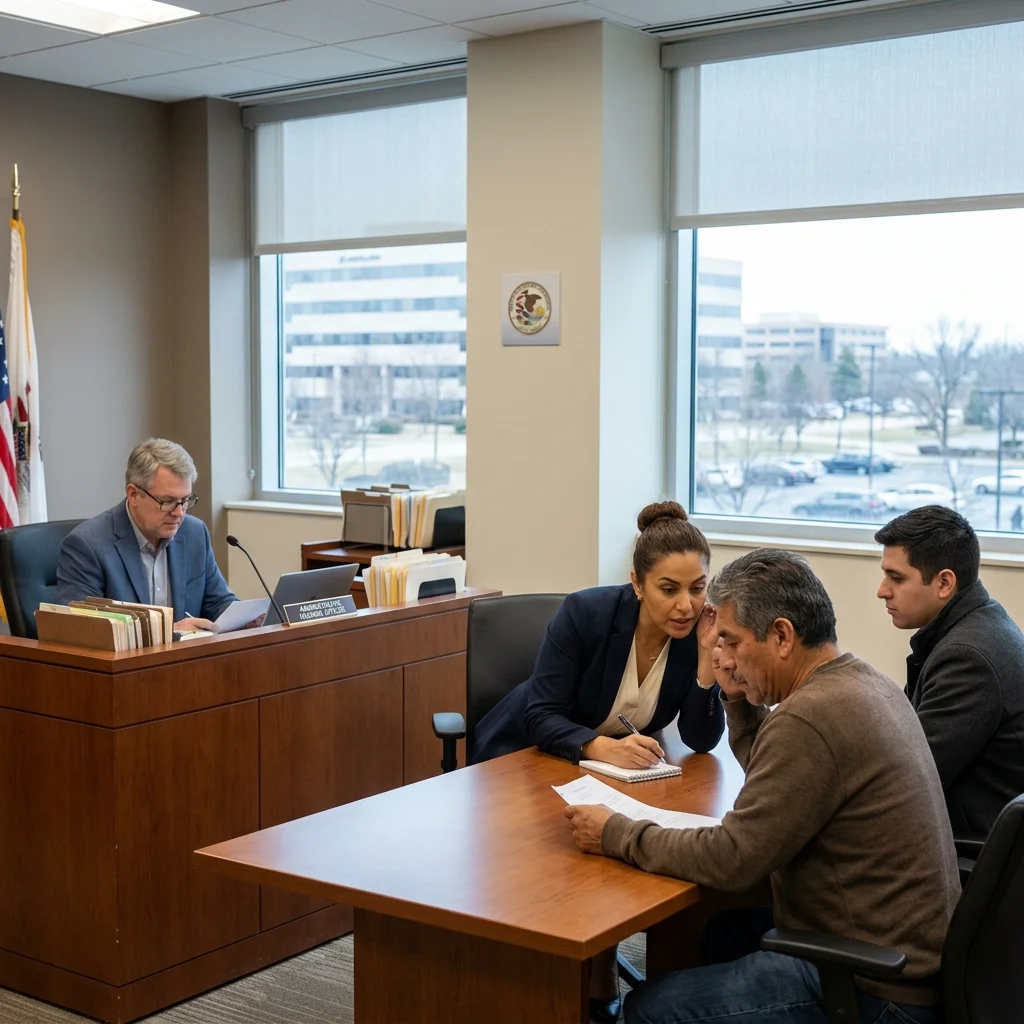
Five legal interpreting stories shaping how law firms approach interpreter coverage in second half of 2026: federal credentialing, California's shortage, AI in deposition rooms, the One Call lawsuit, and Illinois administrative hearings.

Cultural Interpretation in Legal, Medical, and Corporate Settings: Why Word-for-Word Isn't Enough
A forensic evaluator pauses mid-question. The patient is answering, but the affect does not match the words being rendered. Three hours into a neuropsychological exam, the clinician realizes the interpreter has been translating word for word without conveying the cultural context the patient assumed would be carried into the room...



































































































Protect Your Next Assignment
Share the date, language, and setting. We'll confirm coverage and provide a quote within 4 hours.