
Beyond the Field: Why Professional Teams Need Certified Press and Broadcast Interpreters
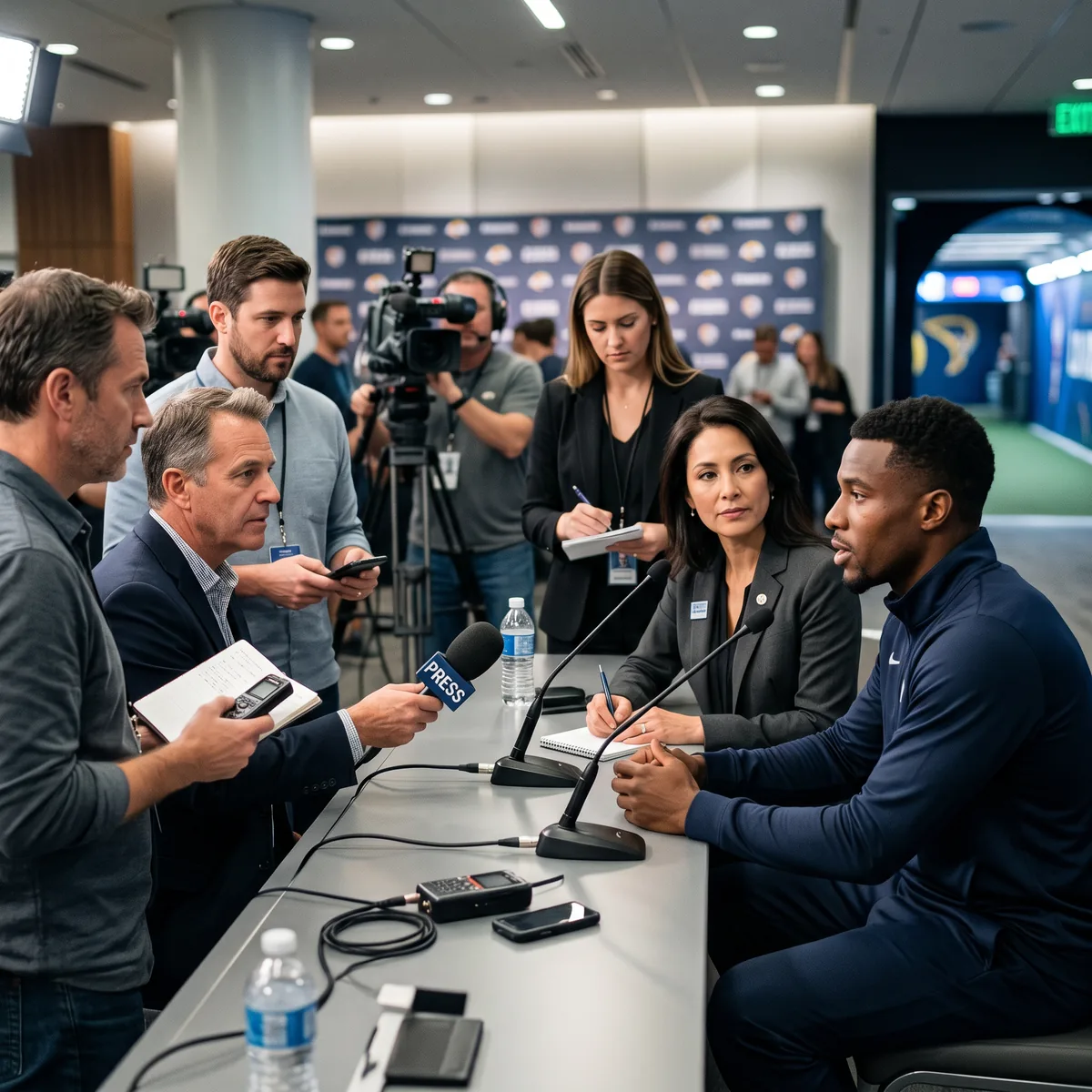
A bullpen catcher who happens to be bilingual steps up to the press table after a complete-game shutout. The starting pitcher answers in Spanish. The catcher interprets. He swaps a conditional for a definitive. The clip loops on social media that night, and by morning, sports radio is asking whether the pitcher took a shot at the opposing manager. He did not.
This kind of mistake is not rare. It is the predictable result of treating press conferences and broadcast interviews like locker-room conversations. They are not. They are recorded, transcribed, clipped, re-broadcast, and quoted in headlines for days. The team has one chance to get the words right.
The Press Room Is Not the Locker Room
Bilingual staff members are valuable inside a clubhouse. They handle medical updates, help an international rookie understand a contract clause, and smooth over a thousand small interactions a week. None of that prepares a person for the cadence and stakes of a live press conference.
In a press setting, the interpreter has to render meaning at near-real-time speed, in front of cameras, under time pressure, with reporters asking follow-ups in two or three languages. The athlete is not pausing to clarify. The broadcast is not stopping for a re-take. A misrendered phrase becomes the story.
Professional press conference interpreters for sports train for this specific environment. They are not just bilingual. They have worked simultaneous interpretation under broadcast conditions, they know the legal exposure of a misquote, and they understand the difference between an athlete’s casual tone and the formal register the broadcast audience expects.
Three Media Moments Teams Should Staff With Certified Interpreters
- Live broadcast interviews. Sideline reporters, post-game one-on-ones, in-game halftime segments. These are simultaneous interpretation situations whether the team calls them that or not. The interpreter is rendering meaning in real time, often without preparation, on a live feed. Certified interpreters with broadcast experience hold the line on accuracy when the clock is running and there is no second take.
- Post-game and post-event press conferences. These look more controlled, and they are, but the stakes are higher because the transcripts get filed. Reporters from international outlets are listening for nuance. A consecutive interpreting setup, where the interpreter renders after each answer, gives the athlete time to think and the interpreter time to be exact. This is where consistency between sessions matters. The same certified interpreter across a season builds familiarity with the athlete’s speech patterns, vocabulary, and the team’s terminology.
- International media tours and global brand activations. Corporate sponsors, league offices, and team marketing groups schedule international press days around new signings, championship runs, and product launches. These are conference interpreting events with brand stakes. Simultaneous interpretation booths, receivers, and certified interpreters who have done corporate work deliver the kind of polish brand sponsors expect.
What Bilingual Staff Cannot Do at Media Speed
Two things separate a professional interpreter from a bilingual staffer pulled into double duty.
The first is sustained accuracy under pressure. Interpreting at broadcast speed is cognitively demanding work. Certified interpreters are trained to maintain accuracy across long sessions because they have practiced under simulated court and conference conditions. Bilingual staff, no matter how fluent, fatigue faster and start to summarize. Summarizing on a live broadcast is how athletes get misquoted.
The second is register control. The vocabulary an interpreter uses with a reporter is not the vocabulary used in the dugout. Certified interpreters trained in conference interpreting know how to lift the language to match the setting without putting words in the athlete’s mouth. This matters for international audiences who are listening for any sign of disrespect, evasion, or media-trained slickness that does not match the athlete’s actual personality.
Simultaneous, Consecutive, or Hybrid: How Teams Should Plan Media Days
The mode of interpretation shapes the experience and the budget.
- Simultaneous interpretation suits live broadcasts, large press conferences with international media in the room, and any setting where time is fixed. It requires booths or receiver systems, two interpreters working in shifts, and a sound technician. It is the right choice when the cost of pausing for a translation exceeds the cost of the equipment.
- Consecutive interpretation suits smaller post-game press conferences, one-on-one network interviews, and feature pieces. The interpreter renders after each statement. No equipment is required beyond a microphone. It is slower, but it allows for precision and gives the athlete a beat to think.
- Hybrid setups are common for international tours where the same athlete moves from a televised broadcast to a sit-down feature to a sponsor activation across the same day. A booked interpreting team handles all three formats without losing continuity.
What Los Angeles Teams Are About to Learn
Southern California is hosting more international sporting and entertainment events every year. Major broadcast partners are setting up multilingual production booths, and international press credentials are expanding well beyond the usual outlets. Teams in Los Angeles, San Diego, and the Bay Area should expect the volume of multilingual press demand to keep climbing.
The teams that prepare for this with certified interpreters and a real plan for press days will sound professional on the international feed. The teams that improvise with bilingual staff will keep producing the kind of clips that become the story.
What to Ask Before Booking
Before confirming coverage for a media day, broadcast appearance, or international press tour, teams and their PR partners should confirm:
- The interpreter’s certification and the language pair, with court-certified interpreters trained in conference work as the most defensible standard
- Direct experience interpreting in broadcast or press conference environments
- Equipment included and whether the agency provides simultaneous interpretation booths and receivers for larger settings
- Continuity across sessions if the same interpreter will be needed across multiple days
- A confidentiality protocol for unreleased trade or contract news that comes up in pre-interview briefings
A language interpretation services agency that operates in legal, corporate, and conference settings already follows these protocols. Sports media work fits the same framework, with the same accountability.
Plan the Press Day Like the Play
The coverage on the field gets months of preparation. The coverage of the press conference often gets a few hours and whoever happens to be bilingual that day. The result is predictable.
Teams, leagues, and broadcast partners that want their international athletes represented accurately should plan the press day the same way they plan the play. The right interpreter is on the schedule before the event. Equipment, mode, and continuity are agreed in advance. Nothing is improvised at the microphone.
Contact us with the date, language, setting, and event format. We will confirm availability and provide a quote.
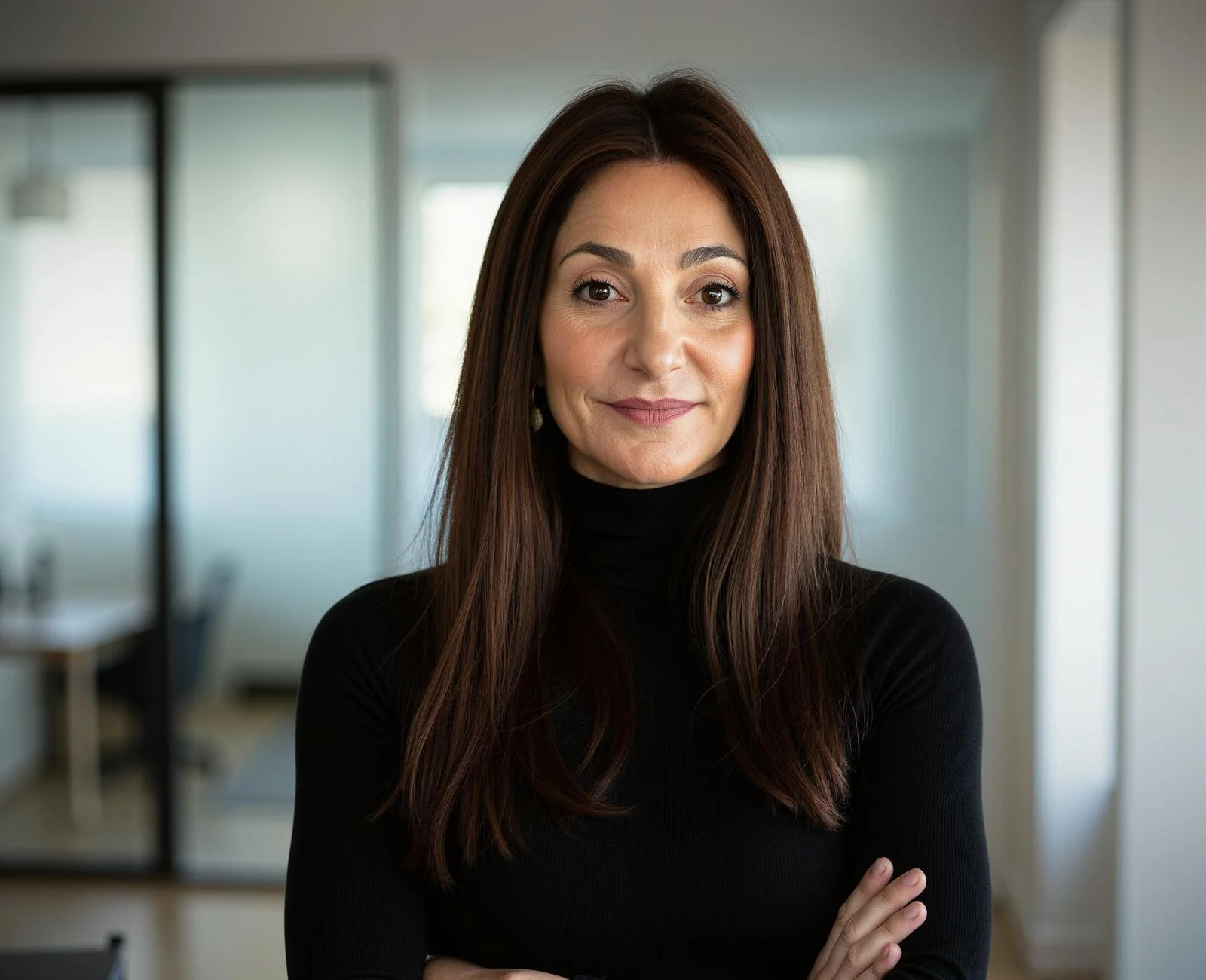
CEO & Founder
Born in Dallas, Texas, Alexandra grew up surrounded by Spanish, English, Arabic, and Italian. After moving to Venezuela, Spanish became her primary language. She holds a Master's in Healthcare Administration from Washington University in St. Louis and is a California court certified and medical interpreter.
She founded Kaplan Interpreting Services after seeing an industry that treated interpreters as interchangeable and clients as ticket numbers. She built a protocol-driven operation where every interpreter is hand-selected and credentialed for the specific setting, every client has a dedicated point of contact, and risk management is built into every assignment.
Her career reached a historic milestone when she interpreted the conversation between President-elect Biden and Pope Francis. That assignment, along with engagements for Nike and the Summit of the Americas, set the standard for every client engagement that followed.
"The same protocols that protected that historic conversation now protect every assignment we handle."