
Court-Certified Isn't Generic: How Language and Venue Decide Who Can Take the Record
After a big game, a reporter asked Shohei Ohtani what changed after going hitless in his last two games. He said he was just getting “good looks” and readjusting to how the ball was moving. A certified Japanese interpreter who does not know baseball hears a question about physical appearance and an answer about eyesight. Every word is technically translated. Nothing is understood.
That is the certification problem in a baseball uniform. The credential proves linguistic competence. It does not prove the interpreter understands the world the words are living in.
In legal settings, that world is defined by three things: the language pair, the dialect or register the witness actually speaks, and the venue where the record gets made. California has built the most rigorous court interpreter certification system in the country, and the credential genuinely means something. What it does not mean is that certified interpreters are interchangeable. One credential does not fit every proceeding, every courthouse, or every witness.
What Court-Certified Actually Means in California
A California court-certified interpreter has passed the Judicial Council of California exam in a designated language, met continuing education requirements, and maintained credentialed status on the master list the Judicial Council publishes. For languages not designated for full certification, the Judicial Council registers interpreters under a separate status with its own oral and written assessment. Federal court work in California adds another credential entirely: the Federal Court Interpreter Certification Examination, which Spanish-language federal proceedings require.
The credential is the entry ticket. It is not the procurement standard.
Why Venue Changes Everything
A court-certified Spanish interpreter is not a portable resource. The interpreter who carries a downtown Los Angeles civil trial well may not be the right placement for a workers’ compensation deposition in the Central Valley or an immigration hearing in San Diego, because the language each venue actually produces in the record is different. Witness demographics, vocabulary, and the rhythm of the proceeding shift courthouse to courthouse. Booking by credential alone treats those differences as noise. Booking by language and venue together treats them as the signal they are.
Here is how that breaks down across the California metros and the main language pairs.
Spanish. The largest single book of California legal work. Court-certified Spanish interpreters in Orange County cover the heaviest workers’ compensation and civil deposition load between Anaheim and Santa Ana. San Diego handles the federal border-district volume the rest of the state does not see. San Francisco leans civil and complex commercial. Sacramento carries the Eastern District federal docket and the state administrative hearings that funnel through the capital. Mexican Spanish dominates statewide, but Central American, Cuban, Puerto Rican, and River Plate Spanish each appear often enough that dialect matching is not optional.
Korean. The Korean-speaking population is concentrated in Los Angeles and Orange Counties, and so is the certified bench. Korean interpreters in Los Angeles handle the Koreatown business and probate volume; the Orange County legal bench covers Garden Grove and the Irvine corporate corridor. Educated Seoul Korean, immigrant-generation Korean, and Korean-American hybrid speech are not the same register, and the difference surfaces on the record.
Mandarin. Los Angeles Mandarin work is heavily commercial litigation and business immigration. San Francisco Mandarin work runs toward technology, biotech, and family law that frequently involves cross-border financial documents. Mainland Mandarin and Taiwanese Mandarin both appear regularly, and the venue and the witness usually predict which.
Farsi and Armenian. Los Angeles holds the largest Iranian and Armenian diaspora communities in the country. Farsi interpreters and Armenian interpreters in Los Angeles County are a specialized and shallow bench statewide. The certified interpreter who can carry a contested probate matter in Glendale or a complex immigration hearing downtown is often the difference between a continued hearing and one that moves.
Vietnamese. The Vietnamese-speaking community sits primarily in Orange County’s Westminster and Garden Grove corridor and in San Jose. Vietnamese interpreters in Orange County cover the workers’ compensation and family-law calendar that Little Saigon firms run constantly. The South Bay Vietnamese bench covers the tech and probate work.
Three Questions That Separate a Defensible Booking From a Credential Checkbox
What is the interpreter’s credential number, and for which language? The answer should be specific: a Judicial Council master list number for the designated language, or the FCICE number for federal Spanish. “All our interpreters are certified” is not an answer.
What venues has this interpreter worked, and in what proceeding types? A Mandarin interpreter who has logged a hundred deposition days in the Northern District of California is differently prepared than one who works state probate calendars in Los Angeles. Both are credentialed. They are not interchangeable.
What dialect or register does the interpreter carry, and does it match the witness? This is the question most firms skip and the one that most often comes back as a problem on the record. Back to Ohtani: the interpreter who cannot place “good looks” in a baseball context has the same credential as the one who can. The witness knows the difference immediately. The attorney usually finds out later.
The Bottom Line
California’s certification system tells you the interpreter passed a serious exam. It does not tell you the interpreter is the right placement for your specific proceeding. The interpretation agencies that staff this work well book by language and venue together, confirm dialect before the assignment, and put a named court-certified interpreter on every confirmation. The ones that book by credential alone leave the venue and dialect questions to chance, which is how a perfectly credentialed interpreter ends up making a record nobody is comfortable defending.
For in-person legal interpreting across the California metros, the procurement standard starts with the language-by-venue match. Contact us with the date, language, dialect, venue, and proceeding type. We will confirm certified availability and provide a quote.
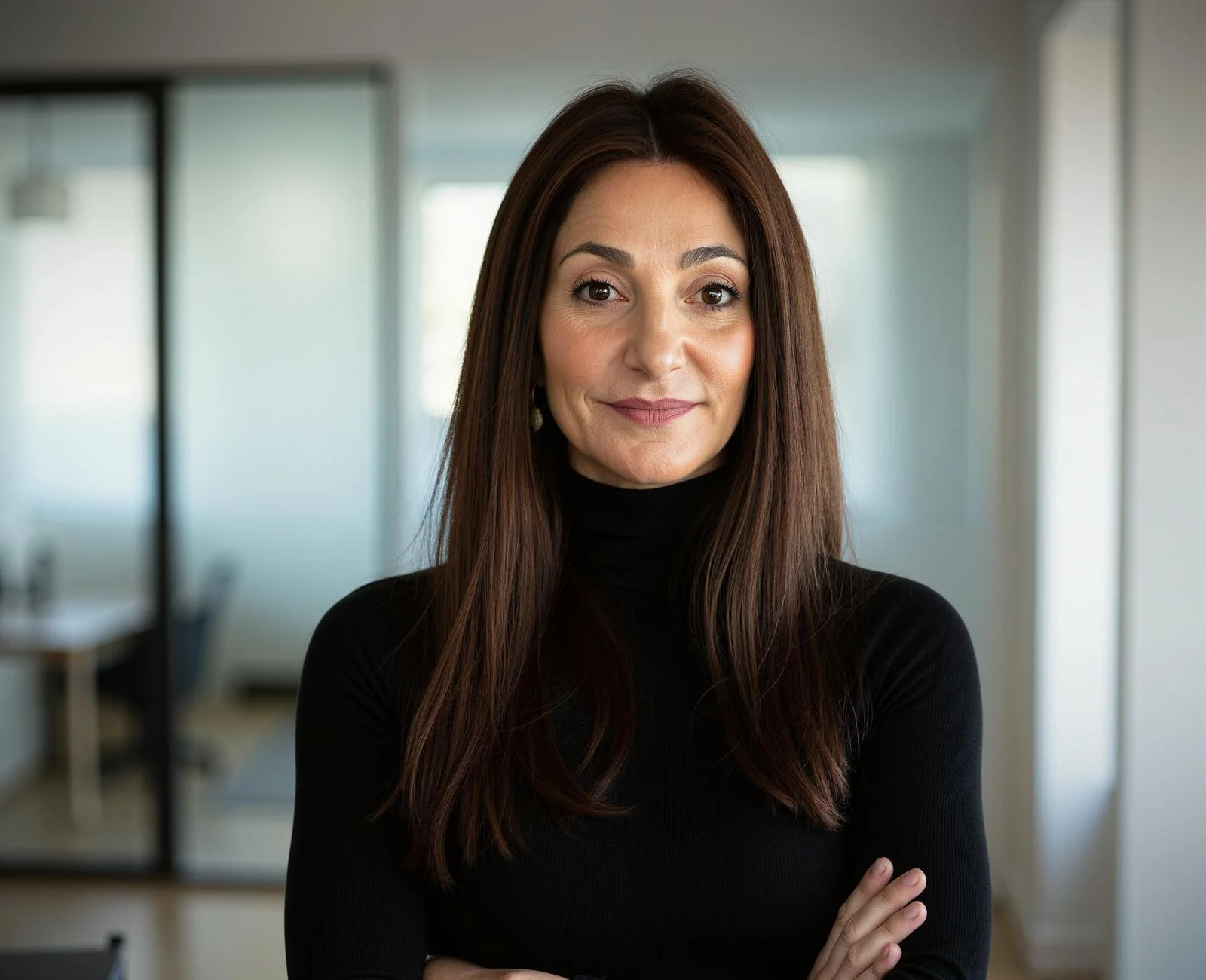
CEO & Founder
Born in Dallas, Texas, Alexandra grew up surrounded by Spanish, English, Arabic, and Italian. After moving to Venezuela, Spanish became her primary language. She holds a Master's in Healthcare Administration from Washington University in St. Louis and is a California court certified and medical interpreter.
She founded Kaplan Interpreting Services after seeing an industry that treated interpreters as interchangeable and clients as ticket numbers. She built a protocol-driven operation where every interpreter is hand-selected and credentialed for the specific setting, every client has a dedicated point of contact, and risk management is built into every assignment.
Her career reached a historic milestone when she interpreted the conversation between President-elect Biden and Pope Francis. That assignment, along with engagements for Nike and the Summit of the Americas, set the standard for every client engagement that followed.
"The same protocols that protected that historic conversation now protect every assignment we handle."