

Apostille Translation
Apostille and Sworn
Translation
Certified translation for public documents that carry an apostille or are going through consular legalisation, from civil records and court orders to corporate and academic documents, delivered with a signed certificate of accuracy and laid out so the receiving authority can read the document, the apostille and the translation as one file.
Does an apostille include a translation of the document?
No. An apostille and a translation are two separate things. Under the Hague Convention of 5 October 1961 an apostille certifies the authenticity of the signature, the capacity in which the signer acted and the identity of the seal or stamp, and nothing more; the California Secretary of State puts it in bold that the Apostille does not validate the contents of the document. Asked whether it supplies certified translations, that same guidance says no and points to the American Translators Association. So when the receiving authority abroad needs the document in its own language, that is a separate certified translation. Kaplan prepares it with a signed certificate of accuracy naming the translator, in over 200 languages, and tells you which authority issues the apostille itself.
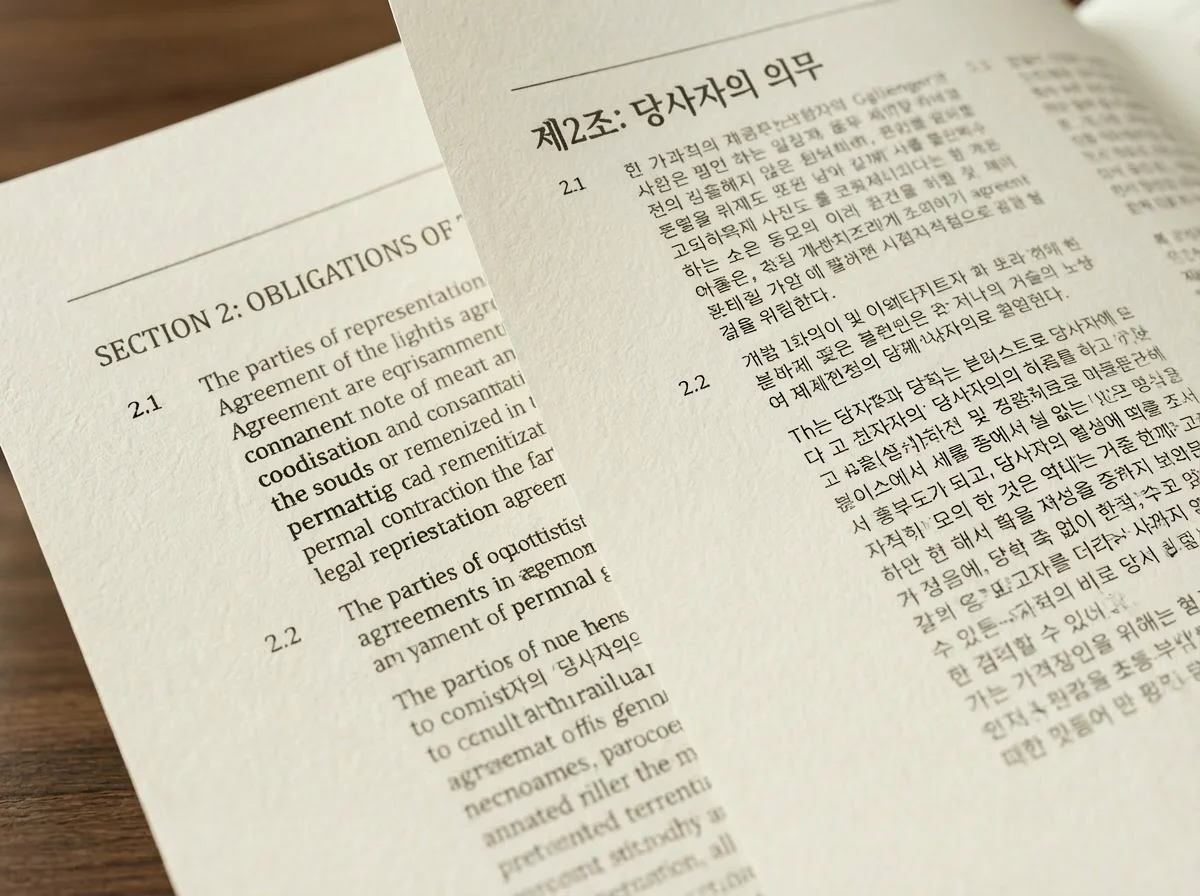
Apostille Translation
Certified Translation for an Apostilled Document
An apostille authenticates the signature and seal on the underlying document. It does not produce a translation and it does not speak to what the document says. When the receiving authority abroad needs the document in its own language, that is a separate certified translation, delivered with a signed certificate of accuracy naming the translator.

Apostille Translation
Corporate & Commercial Records
Articles of incorporation, good-standing certificates, board resolutions, commercial agreements and signatory authorities, translated for a foreign registry, bank or counterparty. Entity names, officer titles and defined terms are fixed in a glossary first so the same company does not appear under three renderings across one filing.

Apostille Translation
Academic & Professional Credentials
Degrees, transcripts, licences and professional registrations translated for a foreign ministry, employer or licensing body. Course titles, grading scales and credit systems are rendered so the receiving institution can read them against its own, rather than left as a literal string that means nothing locally.

Apostille Translation
Documents for Non-Convention Countries
The Convention removes the legalisation requirement only between states that are party to it. Where the destination country is not a party, the document travels the consular legalisation route instead, and the translation usually has to be in place before the consulate sees the file. We prepare the certified translation to match what the receiving post asks for.
Why Kaplan
Where the Apostille Stops and the Translation Starts
We Translate; We Do Not Issue Apostilles
The apostille itself is issued by a competent authority, in the United States the Secretary of State of the issuing state or the federal Department of State for federal documents. Our part is the certified translation that travels with it, and we will say plainly which part of your request is ours and which is theirs.
Signed Certificate of Accuracy
Every translation is delivered with a signed certificate naming the translator and attesting to completeness and accuracy. California's own Apostille guidance points people to the American Translators Association when a certified translation is needed, because the authenticating office does not provide one.
Formatted for the Receiving Authority
A foreign registry, a consulate and a university admissions office want the same document presented differently. We ask who is receiving it before we start, and lay the translation out so the apostille, the source document and the translation read as one file.
Interpreting on the Same Matter
We are an interpreting and translation agency, so a matter that needs an apostilled document translated and a hearing or signing interpreted is handled from one point of contact, with the same terminology on both sides.
FAQs
Common Questions
What is an apostille, and what does it actually certify?
+
An apostille is a certificate attached to a public document so it can be used in another country without consular legalisation. Under the Hague Convention of 5 October 1961 it certifies three things: the authenticity of the signature, the capacity in which the person signing the document has acted, and the identity of the seal or stamp which the document bears. That is the complete list. It says nothing at all about whether the contents of the document are accurate or true.
Does an apostille include a translation?
+
No. They are two separate things, and this is the single most common misunderstanding we are called about. The authenticating office authenticates a signature and seal; it does not translate. The California Secretary of State states the point directly in its own Apostille guidance: "The Apostille does not validate the contents of the document." Asked whether it provides certified translations, the same guidance answers no and suggests consulting the American Translators Association. So if the receiving authority abroad needs the document in its language, you need a certified translation alongside the apostille.
Which documents can carry an apostille?
+
The Convention applies to public documents executed in a contracting state, which it describes as documents emanating from an authority or official connected with the courts, administrative documents, notarial acts, and official certificates placed on documents signed privately. It expressly does not apply to documents executed by diplomatic or consular agents, or to administrative documents dealing directly with commercial or customs operations. A private contract is not a public document by itself, which is why a notarial act is often what gets apostilled rather than the agreement.
What is the difference between a sworn translation and a certified translation?
+
It is a difference between legal systems rather than a difference in quality. Many civil-law countries appoint sworn translators who are authorised by a court or ministry and whose seal carries official status in that country. The United States has no federal sworn-translator register, so the American equivalent is a certified translation: a complete translation delivered with a signed certificate of accuracy naming the translator. When a foreign authority asks for a sworn translation, tell us which country is receiving it, because sometimes the answer is a certified translation plus notarisation and sometimes the document genuinely has to be translated in the destination country by one of its own sworn translators. We will tell you which, rather than sell you a file that gets rejected.
Can an apostilled document and its translation be used in a court filing?
+
Yes, and the two pieces answer different questions. The apostille shows that the foreign signature and seal are genuine; it says nothing about the language. The translation requirement comes from the court's own rules. For motions in California civil cases, Rule 3.1110(g) of the California Rules of Court says: "Exhibits written in a foreign language must be accompanied by an English translation, certified under oath by a qualified interpreter." So a foreign judgment, civil record or corporate document offered as an exhibit goes into the court filing with a sworn English translation that covers the document and its apostille together. When the document is going into a court record here rather than abroad, our certified legal translation page covers the court side in more detail.
Do I need the apostille before or after the translation?
+
Usually the apostille goes on the original public document first, and the translation then covers the document and the apostille together, so the receiving authority can read both. It is not universal: some authorities want the translation attached and notarised before authentication. Tell us who is receiving the file and what they asked for in writing, and we will lay out the order before any work starts rather than after.
Can you apostille my document for me?
+
No, and anybody who says otherwise is describing a courier service rather than a legal one. Only a competent authority can issue an apostille, which in the United States means the Secretary of State of the state that issued the document, or the federal Department of State for federal documents. We prepare the certified translation and tell you which office is the right one for your document, so you are not sending a county-issued record to the wrong desk.
What if the destination country is not part of the Hague Convention?
+
Then the apostille route is not available and the document goes through consular legalisation instead, the older process in which the destination country's diplomatic or consular agents certify the signature and seal. The Convention exists precisely to remove that step between its own contracting states, so where one side is not a party the step comes back. The translation requirement is usually stricter on this route, so confirm the consulate's wording before the file is prepared.
Which languages do you translate apostilled documents into?
+
Over 200, with the highest volume into and out of Spanish, Portuguese, Mandarin, Arabic, Korean, Armenian, Farsi, Russian, French, German, Italian and Japanese. See document translation for the wider service, and certified legal translation when the document is going into a court record rather than abroad. Documents coming the other way, such as apostilled court and civil records from Ukraine or Romania, are covered on our certified Ukrainian translation and Romanian translation pages.
How much does an apostille translation cost?
+
Quoted per document rather than from a published rate, because the language, the length, the certification format and the receiving authority all change it, and confirmed in writing before any work begins. Request a quote or call (833) 547-7770.
Related Document Services
An apostilled document rarely travels alone. These are the services most often requested on the same matter, whether the file is going to a foreign registry or into a court record here.
Request an Apostille Translation Quote
Tell us the destination country and the receiving authority. We confirm the certification format and come back with a fixed quote before work begins.