
South Carolina Replaces Two Interpreter Credential Tiers With Five: What Counsel Should Verify
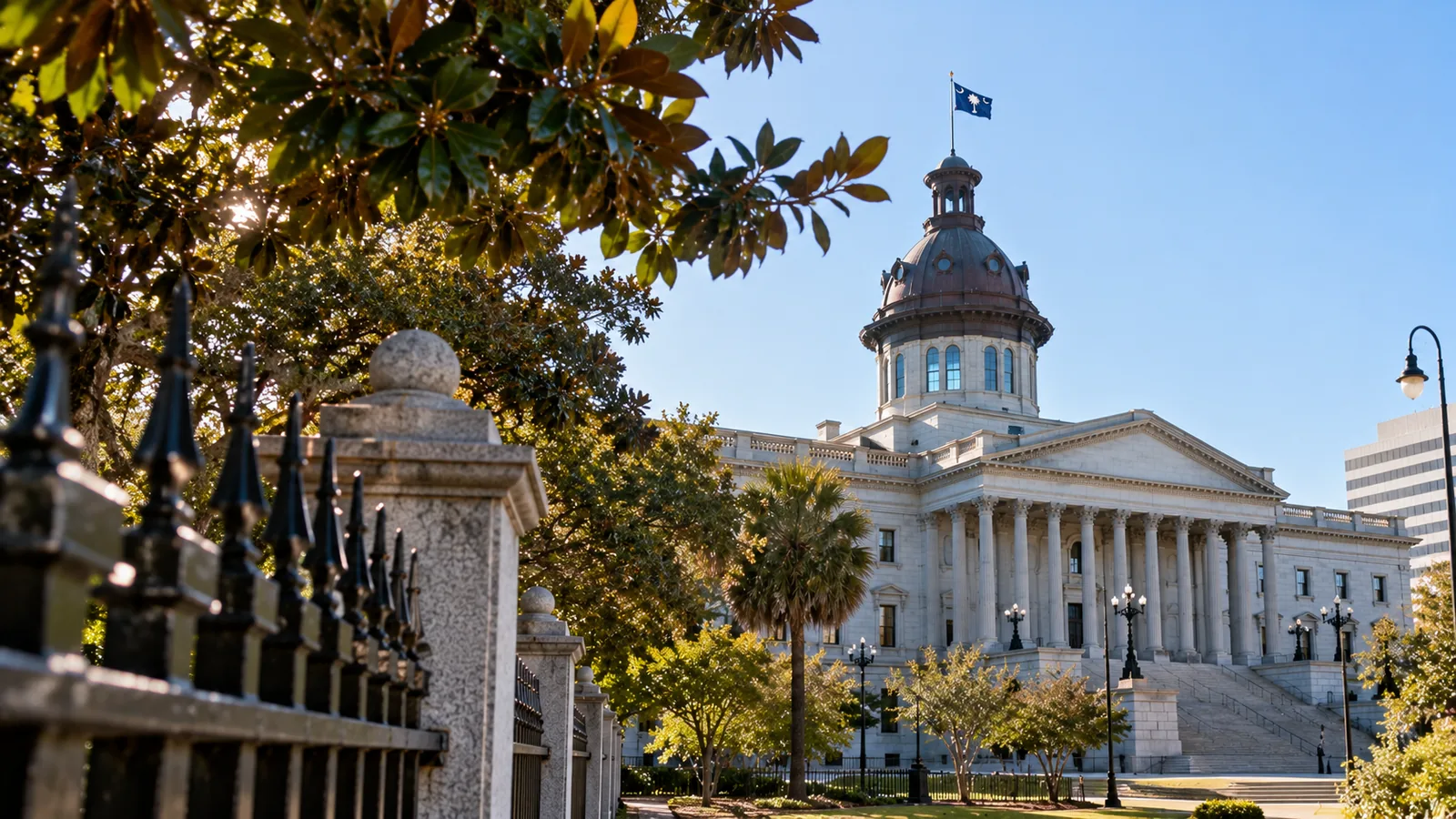
On October 1, 2026, an order of the Supreme Court of South Carolina took effect that expands the state’s court interpreter certification from two levels to five. Chief Justice John W. Kittredge signed the order on August 10, and it supersedes every prior order on the appointment and payment of interpreters for non-English speakers. A separate order signed the same day covers interpreters for deaf persons.
What the Order Changes
The court’s stated reason is capacity. The program is being “updated to meet the increasing need for quality interpreters throughout the state by expanding the number of certification levels for foreign language interpreters from 2 levels to 5 levels,” so that “parties, witnesses, and victims have access to quality interpreters in South Carolina courts.”
For counsel, the practical effect is narrower and more immediate. Until October 1, an interpreter in a South Carolina proceeding was in one of two buckets. From October 1, the same person could be in any of five, and the word on the appointment order is the same word in every case.
The Five Levels and What Each One Requires
The order sets them out in ascending order, with the requirements named for each.
Otherwise Qualified. A two-day orientation, a written exam at eighty percent or better, an oral proficiency assessment at advanced high or higher, fourteen hours of court observation, and an approved background check. Notably, there is no interpreting examination at this level. The oral assessment measures language proficiency, which is not the same skill.
Registered. Everything above, plus at least twenty hours of in-court interpretation.
NCSC Conditionally Certified. At least six months interpreting in court as Otherwise Qualified, then sixty percent or better on the simultaneous test, sixty percent or better on the consecutive test, and at least fifty-five percent on each sight translation part with a combined sight score of sixty.
NCSC Certified. Seventy percent or better on each part of the oral exam administered through the National Center for State Courts.
Federally Certified. Proof of federal court interpreter certification, plus the two-day orientation.
Each tier asks for something real, including the background check and the court observation at the entry level. What separates the first tier from the fourth is the interpreting examination: simultaneous, consecutive and sight translation, scored.
Federal Certification Exists for Three Languages
The order carries two footnotes worth reading, because both describe limits most attorneys assume away.
The first is that the National Center for State Courts does not offer exams in every language. Certification at the NCSC tiers is only available where an exam exists.
The second is more pointed. The order states that federal court interpreter certification “is currently only offered for Spanish, Navajo, and Haitian Creole,” which matches what the federal courts publish. For every other language, including Mandarin, Arabic, Russian and Vietnamese, there is no federal certification examination, so nobody holds that particular credential in those languages. The federal courts classify interpreters in three categories, certified, professionally qualified and language skilled, and an interpreter in one of the other two is not described as federally certified. We have written before about what federal and state certification each cover.
The Interpreter Does Not Have to Be on the State’s List
This is the provision counsel can use. Court Administration maintains a centralized list, and the order expressly allows a party, witness, juror or victim to use a qualified interpreter who is not on it, provided the interpreter meets the statutory requirements at S.C. Code Ann. section 15-27-155(B) for civil proceedings or section 17-1-50(A)(4) for criminal proceedings, and either submits a sworn affidavit specifying their qualifications or submits to voir dire by the court.
For a rare language, or for a matter where the dialect or the subject vocabulary matters, that route is often the difference between a usable record and a continuance.
Deaf and Hard of Hearing Interpreters Are a Separate Track
The companion order keeps sign language interpreters on their own qualification path. An interpreter is qualified through the South Carolina Association of the Deaf Interpreter Assessment Program at Level IV or V, or through the National Registry of Interpreters for the Deaf with the association’s approval. The order also requires that the appointment be made by written order of the court, which is a step that gets missed when a hearing is set quickly. The companion order is published in full. Our guidance on certified deaf interpreters covers when a case needs one at all.
What This Means Outside South Carolina
South Carolina is the current example, not the only one. The same word carries a different meaning in each state, which is the point of our earlier piece on taking a deposition in Texas. A tier system that is amended in August and takes effect in October is the kind of change that can pass a busy calendar without anyone in the matter noticing.
What to Confirm
Ask for the tier by name rather than the adjective. South Carolina now has five, and only three of them carry the word certified.
Ask whether an interpreting examination was part of that tier. At the entry level it was not.
For a language with no NCSC exam, ask what the qualification rests on, and plan for the affidavit or voir dire route rather than assuming the centralized list will supply someone.
For a deaf party or witness, confirm the written order of appointment is on file before the date.
An interpreter is appointed on the record and their qualification is part of that record. Confirming it beforehand is cheaper than litigating it afterward, and these steps apply regardless of which agency a firm ultimately works with.
Kaplan Interpreting Services provides court certified interpreters for depositions, hearings and trials across state and federal venues, with the credential tier named on the confirmation rather than described in the abstract. Contact us with the venue, the language and variety, the proceeding type, and the date.
Not legal advice. Interpreter qualification standards vary by state and change. Verify the current order with the court.

CEO & Founder
Born in Dallas, Texas, Alexandra grew up surrounded by Spanish, English, Arabic, and Italian. After moving to Venezuela, Spanish became her primary language. She holds a Master's in Healthcare Administration from Washington University in St. Louis and is a California court certified and medical interpreter.
She founded Kaplan Interpreting Services after seeing an industry that treated interpreters as interchangeable and clients as ticket numbers. She built a protocol-driven operation where every interpreter is hand-selected and credentialed for the specific setting, every client has a dedicated point of contact, and risk management is built into every assignment.
Her career reached a historic milestone when she interpreted the conversation between President-elect Biden and Pope Francis. That assignment, along with engagements for Nike and the Summit of the Americas, set the standard for every client engagement that followed.
"The same protocols that protected that historic conversation now protect every assignment we handle."